Navigating Facebook Bans: A Professional Guide to Understanding and Appealing Restrictions
Published 6/11/2026 · English-only editorial content
Introduction to Facebook Bans Facebook, as one of the largest social media platforms, has a set of community standards and terms of service that users must adhere to. When these ru...
Introduction to Facebook Bans
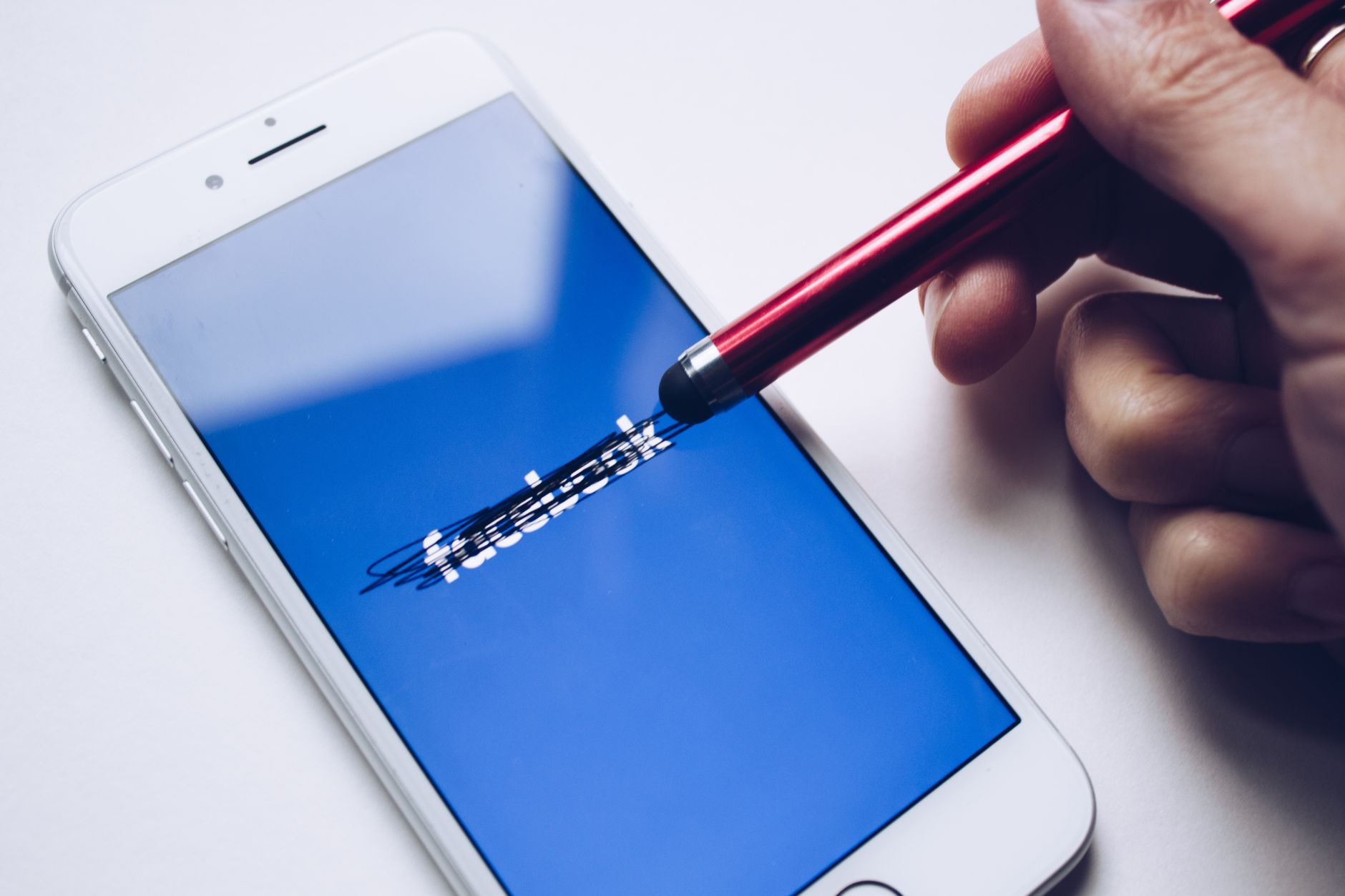
Facebook, as one of the largest social media platforms, has a set of community standards and terms of service that users must adhere to. When these rules are violated, either intentionally or unintentionally, Facebook may impose restrictions or bans on accounts. For professionals, a Facebook ban can have significant implications, affecting not just personal online presence but also business and professional networking. This guide is designed to help understand the reasons behind Facebook bans, how to avoid them, and the process of appealing a ban.
Understanding Facebook's Community Standards
Before diving into the specifics of Facebook bans, it's crucial to understand the community standards that govern user behavior on the platform. These standards are put in place to ensure a safe and respectful environment for all users. They cover a wide range of topics, including:
- Violence and criminal behavior
- Safety
- Integrity and authenticity
- Respectful behavior
- Security
Violating these standards can lead to various penalties, ranging from warnings to permanent account disablement.
Reasons for Facebook Bans
There are several reasons why Facebook might ban an account. Some of the most common reasons include:
- Hate Speech: Content that attacks people based on their race, ethnicity, national origin, religious affiliation, sexual orientation, sex, gender, gender identity, or serious disabilities.
- Graphic Violence: Sharing graphic content that glorifies violence or promotes violence against individuals or groups.
- Nudity or Sexual Activity: Posting content that contains nudity or engages in sexual activity.
- Terrorist Organizations: Supporting or promoting terrorist organizations or their activities.
- Fake Accounts: Creating accounts that are fake or impersonating others.
Avoiding Facebook Bans
Prevention is the best strategy when it comes to Facebook bans. Here are some actionable tips to help professionals avoid violations:
- Familiarize Yourself with Facebook's Policies: Take time to read and understand Facebook's community standards and terms of service.
- Be Mindful of Your Posts: Before posting, consider whether your content could be perceived as violating Facebook's standards.
- Use Facebook's Built-in Features: Utilize Facebook's built-in features to control who sees your posts and manage your privacy settings.
- Engage Respectfully: Always engage in respectful and considerate dialogue, even when disagreeing with others.
Appealing a Facebook Ban
If your account has been banned, there is an appeal process you can follow:
Step 1: Review Facebook's Decision
Carefully review the reason provided by Facebook for the ban. This will be crucial in crafting your appeal.
Step 2: Submit an Appeal
Go to the Facebook help center and look for the section on banned accounts. There should be an option to submit an appeal. Provide detailed information explaining why you believe the ban was a mistake, including any context that might have been missed by Facebook's moderation team.
Step 3: Wait for a Response
After submitting your appeal, wait for Facebook to review it. This process can take several days to several weeks. Be patient and do not attempt to create a new account, as this could lead to further action against you.
Additional Tips for Professionals
For professionals, maintaining a positive and compliant presence on Facebook is paramount. Here are some additional strategies:
- Separate Personal and Professional Accounts: Consider maintaining separate accounts for personal and professional use to minimize the risk of cross-contamination of content.
- Monitor Your Account Activity: Regularly review the activity on your account to quickly identify and address any potential issues before they escalate.
- Educate Yourself and Your Team: If you manage a team or business page, ensure that all members understand Facebook's community standards and the importance of compliance.
Conclusion
Facebook bans are a serious matter, especially for professionals who rely on the platform for networking, marketing, and communication. By understanding the reasons behind these bans, taking proactive steps to avoid violations, and knowing how to appeal a ban, professionals can protect their online presence and continue to leverage Facebook as a valuable tool for their careers and businesses. Remember, prevention and education are key to maintaining a compliant and successful Facebook presence.
Related articles
How to Remove a Permanent Ban on TikTok: A Step-by-Step Guide
Introduction to TikTok Bans TikTok, with its vast and engaging community, has become a platform where creativity knows no bounds. However, like any other social media platform, it...
ReadUnderstanding TikTok Unban Costs: A Comprehensive Guide to Regaining Access
Introduction to TikTok Unban Costs TikTok, with its vast and active user base, has become a crucial platform for creators, businesses, and individuals alike. However, like any othe...
ReadA Comprehensive Guide to Getting Unbanned from TikTok Quickly
Introduction to TikTok and Its Ban Policy TikTok, with its vast and engaging community, has become a central platform for short form video content. However, like any other social m...
Read