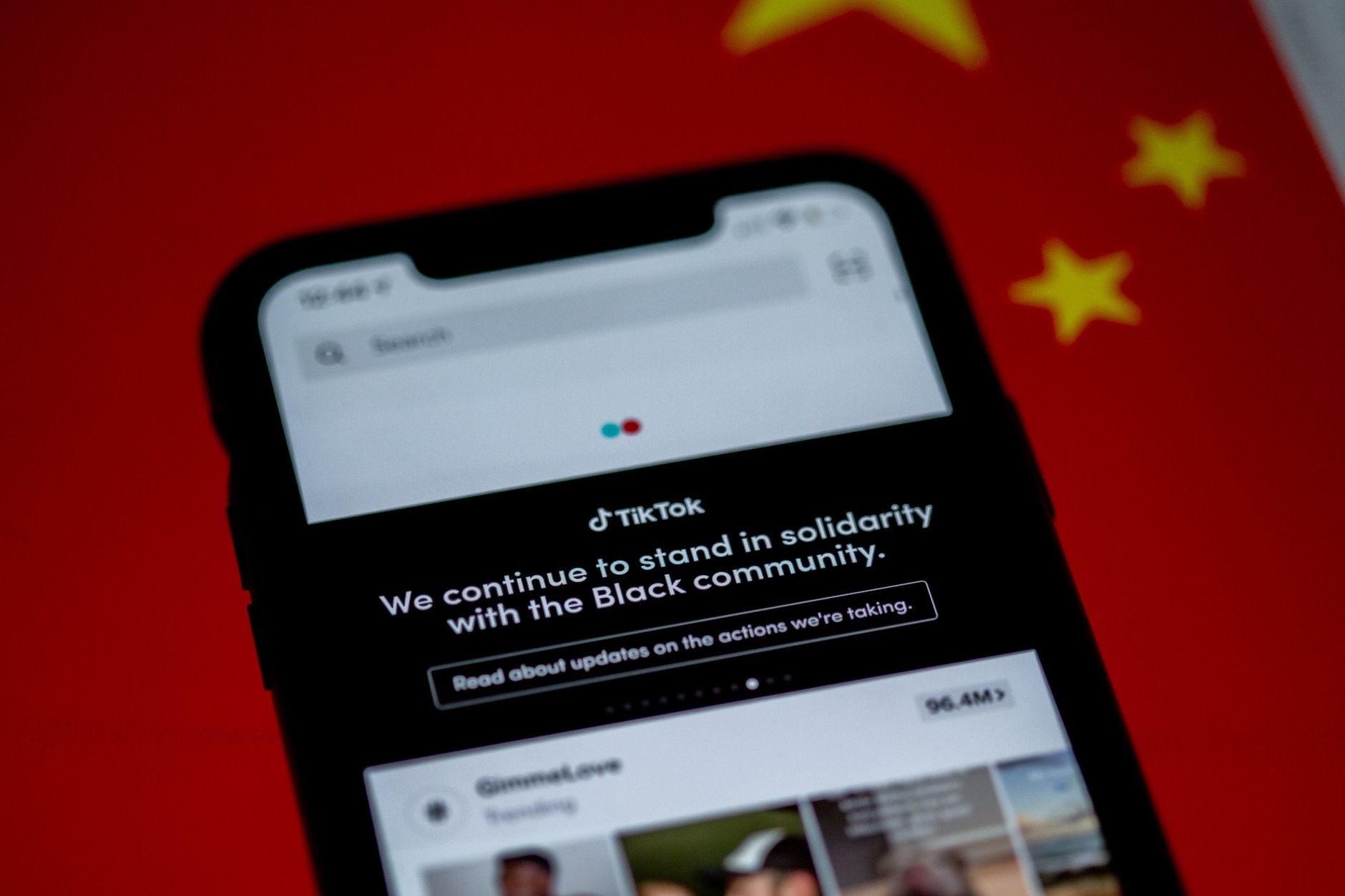
Understanding the Implications of a TikTok Ban in 2026: Cybersecurity and User Privacy Concerns
Published 6/11/2026 · English-only editorial content
Introduction to TikTok and Its Global Presence TikTok, a social media platform owned by ByteDance, a Chinese company, has taken the world by storm since its launch. With over a bil...
Introduction to TikTok and Its Global Presence
TikTok, a social media platform owned by ByteDance, a Chinese company, has taken the world by storm since its launch. With over a billion active users, it has become a significant player in the global social media landscape. However, its rise to fame has not been without challenges, including concerns over user data privacy and cybersecurity. One of the most significant concerns in recent times is the potential for a TikTok ban in various countries, including the United States, due to these security and privacy issues.
Background on TikTok Ban Discussions
The discussions around banning TikTok are rooted in fears that the app could be used by the Chinese government to spy on users. This concern is not entirely unfounded, given the close relationship between Chinese tech companies and the Chinese government. The app's data collection practices have also raised eyebrows, with many arguing that it collects more data than necessary, potentially compromising user privacy.
Potential Reasons for a TikTok Ban in 2026
Several reasons could lead to a TikTok ban in 2026:
- National Security Concerns: The primary reason for any potential ban is the perceived threat to national security. Governments are concerned that TikTok could be compelled to share user data with the Chinese government, which could then be used for espionage or other malicious activities.
- Data Privacy Violations: TikTok has faced numerous lawsuits and regulatory actions over its data collection and privacy practices. If these issues are not adequately addressed, they could contribute to a ban.
- Compliance with Local Laws: TikTok must comply with the laws of the countries in which it operates. Failure to do so could result in a ban.
Implications of a TikTok Ban
A ban on TikTok would have significant implications for its users, the company itself, and the broader social media landscape.
- User Impact: For users, a ban would mean the loss of a popular platform for creative expression and social interaction. It could also raise concerns about the data they have shared on the platform and how it will be protected post-ban.
- Economic Impact: A ban would have economic implications for ByteDance and the thousands of creators who make a living from TikTok. It could also affect the broader tech industry, as other companies might face increased scrutiny over their data practices.
- Market Dynamics: The absence of TikTok could lead to a shift in market dynamics, with other social media platforms potentially benefiting from the vacuum left by TikTok.
Alternatives to TikTok
In the event of a ban, users might turn to alternative platforms. Some of these alternatives include:
- Instagram Reels: Owned by Meta, Instagram Reels offers a similar short-form video experience to TikTok.
- YouTube Shorts: YouTube's answer to TikTok, offering short-form videos with the robust features of the YouTube platform.
- Snapchat: While not primarily a video-sharing platform, Snapchat offers ephemeral content features that might appeal to former TikTok users.
Cybersecurity and Privacy Concerns
The potential ban on TikTok highlights broader cybersecurity and privacy concerns related to social media usage.
- Data Protection: Users should be vigilant about the data they share on social media platforms. This includes being cautious about the permissions they grant to apps and regularly reviewing their privacy settings.
- App Security: The security of the apps themselves is also a concern. Users should ensure their devices and apps are updated with the latest security patches to protect against vulnerabilities.
- Regulatory Frameworks: Governments and regulatory bodies play a crucial role in ensuring that social media companies adhere to strict data protection and privacy standards. Strengthening these frameworks can help mitigate some of the risks associated with social media usage.
Mitigating Risks
To mitigate the risks associated with using TikTok or any other social media platform, users can take several steps:
- Limit Shared Data: Be mindful of the information shared on these platforms. The less data shared, the less that can be compromised.
- Use Strong Passwords: Ensure that account passwords are strong and unique to each platform.
- Enable Two-Factor Authentication (2FA): 2FA adds an extra layer of security to accounts, making them harder to hack.
- Keep Devices and Apps Updated: Regular updates often include security patches that protect against known vulnerabilities.
Conclusion
The potential for a TikTok ban in 2026 underscores the ongoing debates about cybersecurity, user privacy, and the responsibilities of social media companies. As the digital landscape continues to evolve, it's crucial for users, companies, and governments to work together to address these concerns. By understanding the implications of such a ban and taking proactive steps to secure their online presence, individuals can better navigate the complex world of social media while protecting their privacy and security.
Related articles
Navigating X Appeal Support: A Comprehensive Guide to Social Media Assistance
Introduction to X Appeal Support X Appeal Support is a critical component of social media platforms, designed to provide users with assistance and guidance on various aspects of th...
ReadHow to Get Verified on Instagram: A Professional Guide
Introduction to Instagram Verification Instagram verification is a process where the platform confirms the authenticity of a user's account, typically denoted by a blue checkmark n...
ReadHow to Get Unbanned from Twitter Fast: A Comprehensive Guide
Introduction to Twitter Unban Process Twitter, like many other social media platforms, has strict policies to ensure a safe and respectful environment for its users. However, somet...
Read